Forehead Pressure and Vivid Dreams: Evidence Aware Third Eye Symptoms
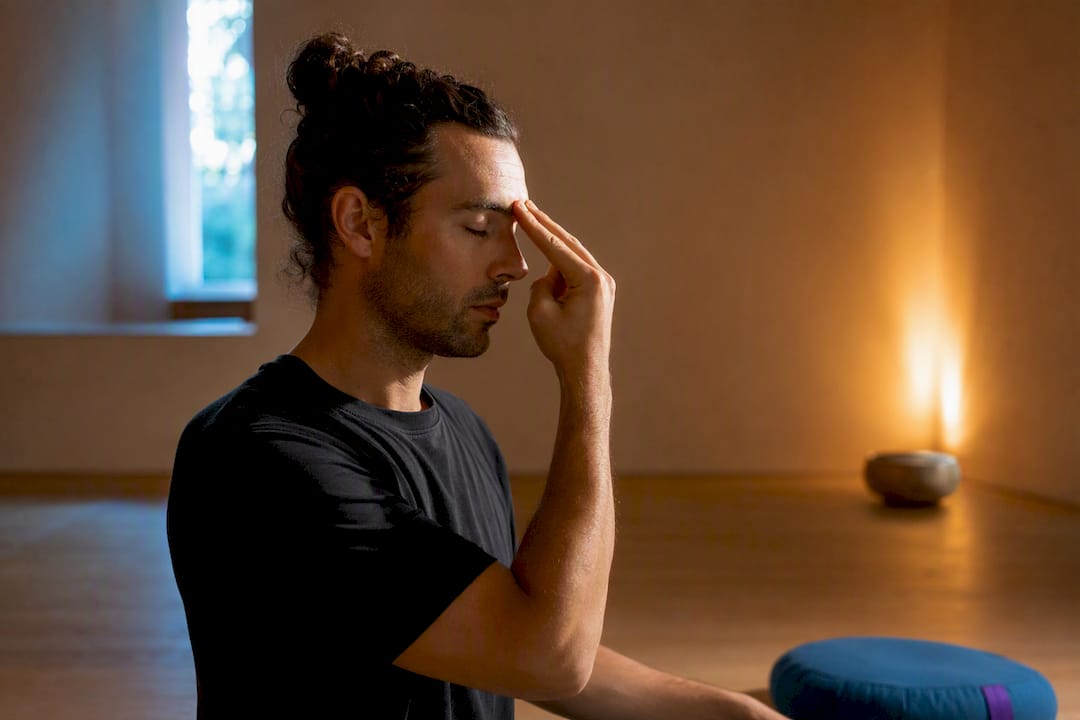
Forehead pressure between the eyebrows, unusually vivid dreams, and a sense of sharper intuition are among the commonly reported third eye opening symptoms. These are self-reported experiences shared across meditation communities, not clinical diagnoses. If any symptom includes a sudden severe headache, vision loss, or persistent ringing in your ears, see a doctor before assuming it’s spiritual.
Key Takeaways
- Forehead pressure, vivid dreams, and heightened intuition are common signs of third eye activation, but severe headaches or vision issues require medical attention.
- Light sensitivity, ringing ears, scalp tingling, and sinus-like pressure are typical physical sensations that usually resolve within hours; persistent symptoms need evaluation.
- Emotional shifts such as increased empathy and resurfacing feelings, along with sharper intuition, are normal but may cause anxiety, manageable through grounding practices.
- Perceptual changes include more intense dreams, lucid dreaming, visual phosphenes, and increased synchronicities, all stemming from neurological responses rather than mystical causes.
- Sleep hygiene, moderating breathwork, and monitoring severe symptoms are crucial steps; persistent disturbances should be assessed by a healthcare professional.
Table of Contents
- Common Physical Symptoms Of Third Eye Activation
- Emotional And Mental Signs Of An Awakening
- Perceptual Changes And Dream-Related Experiences
- What Might Explain These Experiences: Pineal Gland, Attention, And Breath
- How To Respond Safely To These Symptoms
- When Symptoms Cluster Slowly Versus All At Once
- An Honest Take On Third Eye Symptoms
- Talk Through What You’re Experiencing With A Live Reader
- Sources
Common Physical Symptoms Of Third Eye Activation
The most talked-about physical sign is a subtle pressure or tingling right between the eyebrows, at a spot sometimes called the “third eye point” or glabella. If you’ve felt this during meditation, you’re not imagining it. Sitting still with your eyes closed and your attention drawn inward tends to make you more aware of muscle tension you’d otherwise ignore, especially in the small muscles around your forehead and brow.
Mild frontal headaches sometimes follow. These are typically dull, band-like sensations across the forehead rather than the throbbing, one-sided pain of a migraine. That distinction matters because a headache that comes on suddenly and severely, or that doesn’t ease with rest, needs a medical evaluation rather than a meditation cushion.
Other physical signs people report during what they call third eye energy opening include:
- Light sensitivity or eye strain after closed-eye meditation
- A brief ringing or buzzing sensation in the ears
- Mild dizziness when standing up quickly after sitting still
- A “buzzy” or tingling scalp sensation
- Occasional pressure that feels like sinus congestion without an actual cold
Community-reported data backs this pattern up. Large forum samples and meditation communities consistently name forehead pressure, vivid dreams, and heightened intuition as the most frequently cited signs of a third eye opening, which lines up with what practitioners describe session after session.
Light sensitivity deserves a closer look, since photophobia can also signal other conditions worth ruling out, particularly if it’s severe or doesn’t fade shortly after you open your eyes. Most of the time, though, these sensations resolve within an hour or two of ending your practice. If they don’t, that’s your cue to stop guessing and get checked.
Emotional And Mental Signs Of An Awakening
Heightened intuition tends to show up as a quieter, steadier form of gut instinct. You might notice you’re picking up on people’s moods before they say a word, or you feel a clear “no” about a decision that your logical brain hasn’t finished arguing about yet.
Emotional intensity often rides alongside that clarity. Many people going through a spiritual awakening describe old feelings surfacing out of nowhere. Grief, anger, or nostalgia tied to memories you thought you’d processed can resurface for review.
Signs to watch for during this phase include:
- A stronger, faster gut reaction to people and situations
- Old emotional patterns resurfacing for you to examine
- Improved self-awareness, sometimes described as “seeing yourself clearly”
- Short bursts of anxiety or unease as your nervous system adjusts
- Increased empathy that can feel overwhelming in crowded or emotional settings
This emotional churn is normal, but it isn’t always comfortable. If mood swings or anxiety spike noticeably, grounding practices like slow breathing, time outdoors, or simply naming what you’re feeling out loud can help settle things before they snowball. A systematic review of meditation research found that while most people experience reduced stress and better well-being, intensive practice can occasionally trigger transient anxiety or disrupted sleep in people who are more sensitive to it.
Perceptual Changes And Dream-Related Experiences
Perceptual shifts are often the most talked-about signs of third eye opening symptoms, largely because they’re the most vivid to describe the morning after.
- Dreams become more intense and memorable. Colors feel sharper, storylines feel more coherent, and you wake up remembering details you’d normally forget within minutes.
- Lucid dreaming increases in frequency. Some people notice they can recognize they’re dreaming and gently steer the dream rather than just watching it unfold.
- Phosphenes and geometric visuals appear during meditation. Closed-eye light patterns, shifting colors, or brief flashes are common in low-stimulation, focused-attention states.
- Synchronicities and déjà vu feel more frequent. Repeated numbers, chance encounters, or a nagging sense you’ve lived a moment before tend to stand out more once you’re paying closer attention to your inner experience generally.
These visual phenomena have a real neurological basis. Research on focused attention and sensory deprivation shows the brain can generate internal visual patterns, like phosphenes, when external stimulation drops and attention turns inward.
There’s an important line to draw here. Ordinary closed-eye visuals during meditation are harmless and temporary. Persistent vision loss, flashing lights paired with a severe headache, or visual disturbances that continue outside of meditation are different matters entirely and call for a prompt visit to an eye doctor or physician.
What Might Explain These Experiences: Pineal Gland, Attention, And Breath
The pineal gland is a small, pinecone-shaped structure deep in the brain that produces melatonin and helps regulate your sleep-wake cycle. Its activity shifts with light exposure and, in turn, with your sleep patterns, which is worth knowing before you attribute every strange sensation to mystical activation.
When sleep gets disrupted, melatonin regulation shifts too, and that can create a feedback loop: poor sleep heightens sensory sensitivity and produces more vivid dreams, which then makes it harder to sleep well the following night.
That loop is one of the more overlooked explanations for why people report a cluster of symptoms all at once during periods of spiritual searching or major life stress. Fixing sleep hygiene often calms the whole pattern down.
Attention plays a bigger role in these experiences than most spiritual guides give it credit for. Meditation sharpens interoception, your awareness of internal body signals, so subtle sensations like forehead tension or a faint pulse behind the eyes become noticeable simply because you’re finally paying attention to them. The National Center for Complementary and Integrative Health notes that mindfulness practices can genuinely shift subjective experience and sensory awareness, which supports what practitioners describe without requiring any supernatural explanation.
Breathwork adds another layer. Intense or rapid breathing techniques can mimic overbreathing, producing dizziness, tingling, and visual changes that feel dramatic but are physiological. Slowing your pace usually resolves them within minutes.
How To Respond Safely To These Symptoms
Most third eye opening symptoms settle down with a few simple adjustments to how you practice and how you’re sleeping.
- Protect your sleep hygiene. Dim screens an hour before bed and keep a consistent wind-down routine, since melatonin regulation directly affects dream intensity and perceptual sensitivity.
- Shorten meditation sessions if symptoms spike. Ten focused minutes beats forty minutes that leave you dizzy or wired.
- Ease off breath retention techniques. If you feel light-headed or tingly, slow your inhale, lengthen your exhale, and sit down until it passes.
- Check your posture and eye position. Forehead tension often traces back to a clenched brow or eyes straining upward, not energetic activation.
- Stay hydrated and grounded. A short walk outside or a hand on the ground can interrupt anxious spirals quickly.
Pro Tip: Keep a small notebook by your bed and jot down one line about your dreams each morning for two to four weeks. Patterns tend to surface fast, and having that record makes any interpretive conversation, whether with a friend or a reader, far more productive.
Seek medical evaluation right away for a sudden severe headache, vision changes that don’t clear, tinnitus that persists beyond a day or two, fainting, or any new confusion. A clinical review of tinnitus makes clear that persistent ringing has legitimate medical causes worth ruling out before chalking it up to spiritual activity.
When Symptoms Cluster Slowly Versus All At Once
Most people experience third eye awakening signs as a slow accumulation, one odd dream here, a stretch of heightened intuition there, rather than one dramatic event. Practitioners who work with this regularly describe it as a gradual cluster of small shifts more often than a single defining moment, and expecting fireworks tends to create more anxiety than the symptoms themselves warrant. If something feels off physically, don’t wait it out. Journaling your dreams for a few weeks, or talking it through in a short interpretive session, often brings more clarity than trying to self-diagnose every sensation alone.
An Honest Take On Third Eye Symptoms
Most of what gets called a dramatic third eye opening is actually a quiet accumulation of small shifts in sleep, attention, and emotional processing, not a single mystical flip of a switch. The wellness content that promises sudden, cinematic awakening does readers a disservice, because it sets up an expectation that makes ordinary sensations feel alarming or, worse, makes real red flags feel like part of the process.
Here’s what conventional advice gets wrong: it treats every physical sensation as spiritually meaningful and rarely tells you when to stop meditating and see a doctor instead. The truth is more useful. Prioritize sleep first, since melatonin disruption explains a surprising share of what people label as awakening symptoms. Pace your breathwork before you deepen it. And treat sudden or severe symptoms as medical questions, not spiritual ones, until a professional rules that out.
What actually helps most people isn’t more information about chakras. It’s a place to process what’s happening, whether that’s a journal, a grounding practice, or a conversation with someone trained to help you make sense of vivid dreams and shifting intuition.
— Jason
Talk Through What You’re Experiencing With A Live Reader
If your dreams have turned vivid, your intuition feels sharper, or you keep sensing meaning in synchronicities you can’t quite name, a focused conversation can often help more than another late-night search session. Phonepsychicreaders connects you directly with hand-vetted readers, available 24/7, for the kind of clarity that comes from talking it through rather than reading about it alone.
A session built around your specific experience might dig into what a recurring dream symbol means for you, walk through grounding steps for the emotional intensity you’ve been feeling, or simply help you separate the ordinary from the noteworthy. Every reader on the platform goes through a strict vetting process before ever taking a call, and pricing starts at $1 per minute for first-time callers, so getting guidance doesn’t require a big commitment. If dream interpretation sounds closest to what you need, that’s a natural place to start. For a broader read on the shifts you’re noticing, an intuitive psychic reading can help connect the dots. Ready to talk to someone now? Browse available psychic services and connect with a live reader today.
Sources
- Meditation and mindfulness: What you need to know - NCCIH
- Tinnitus - Mayo Clinic
- Neuroscience review on visual phosphenes - PMC
- Meditation systematic review - PMC